Is It True That Tuna Die If They Stop Swimming?!
Hey everyone! 😊
Have you ever heard the saying, “Tuna die if they stop swimming”? 🐟❓
Some people even use it as a metaphor at work or in relationships, like, “I’m the tuna type, so I’ll die if I stop!” 😂🤣
I’d always just kind of thought, “Huh, is that so,” and left it at that. 😅
But then it suddenly hit me—”Wait, is this actually true?!” 🤔💡
So I looked into it, and it turned out to be super fascinating! 😆
So please, let me passionately explain it all. 🙇♀️
Let me give you the conclusion right away. 😊
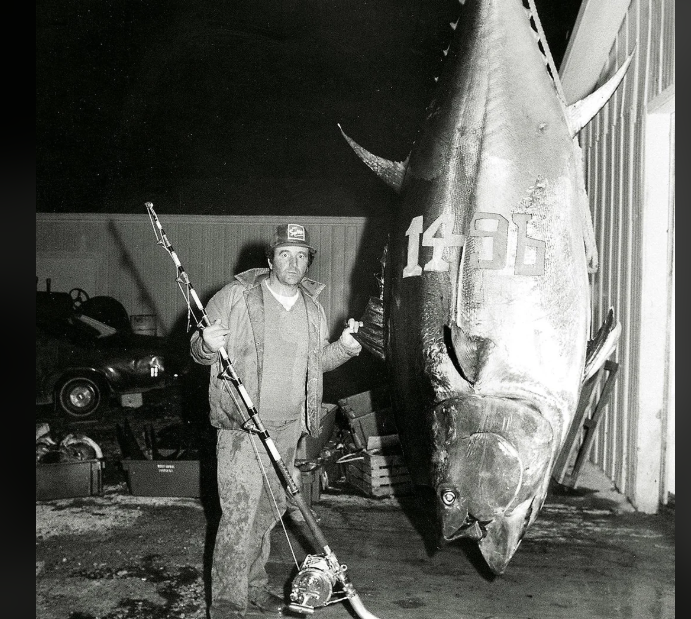
“Tuna die if they stop swimming”—this is actually TRUE. 🤯❣️
And what’s more, there are TWO reasons why they die if they stop! ‼️
The first reason is that they can’t breathe. 😳
Ordinary fish can move their mouths and gills to pump water over their gills and breathe on their own 🐟 (this is called the dual-pump method).
But tuna are bad at this whole “moving their gills on their own” thing. 💦
So how do they breathe, you ask…?
They keep swimming with their mouths open, using that momentum to force water over their gills to breathe! 😳
(Source: Kaiyukan, Maguro no Gakko / “The Tuna School”)
This is called “ram ventilation.” ✌️
In other words, if they stop swimming, no water flows over their gills, they can’t take in oxygen, and they suffocate. 🥹💦
Swimming = breathing, basically! 😭
The second reason is that they sink. 😱
As it turns out, tuna have an underdeveloped swim bladder. 🐟
Ordinary fish store air in their swim bladder so they can float effortlessly in the water 💡
But tuna have a high body density and are quite heavy, so if they stop swimming, they sink lower and lower. 😳
(Source: Maguro no Gakko / “The Tuna School,” Tsuri News)
Tuna generate lift to keep their bodies afloat by swimming—just like the wings of an airplane! ✈️✨
So if they stop, they can’t breathe AND they sink—it’s a double whammy. 🥲
This really does explain why people say they “die if they stop.” 😭💦
Now, here’s something that makes you wonder, right? 🤔❓
“If they keep swimming all the time, when do tuna sleep?” 😴❓💡
And this part is fascinating too! 😆
It turns out tuna don’t sleep deeply like humans do. 😳
When night falls, they slow down and swim verrry slowly, resting their bodies as much as they can. 😴
(Source: Daiki Suisan)
In aquarium observations, it’s said there are “dozing” moments at night where, for just a few seconds, their movement suddenly shifts. 🥹
(Source: Suimin Kenko Daigaku / “Sleep Health University”)
And get this—a tuna’s brain is only about the size of a marble! 😳
So it’s also thought that maybe they just don’t need to sleep for very long in the first place. 🐟
(Source: Suimin Kenko Daigaku / “Sleep Health University”)
By the way, here’s a little “fellow angler” moment for you. 😏
When we see a tuna “nabura” (that boiling of the water’s surface when tuna chase small fish), it’s usually during the daytime, right? 🌞
It makes you want to say, “See? They really ARE sleeping at night, aren’t they?!” 🤣😂
But in reality, tuna don’t fully sleep even at night—they seem to keep swimming slowly. 🐟
So the reason we see more nabura during the day might just be… that it’s too dark for us to see them at night! 😆💦
Hmm, it’s a deep topic. 🥹
So, what did you think? 😁❓
“Tuna die if they stop swimming” is the honest-to-goodness truth. 🐟
And there were DOUBLE reasons for it: for breathing (ram ventilation) and for not sinking. 🥹
When you think about it, it means tuna keep swimming without ever stopping, from the moment they’re born until the day they die. 😳
The fact that they keep swimming slowly even while sleeping—what an amazing fish, truly. 💪🧡
When I think that even that single moment we encounter while fishing is just a stop along the great adventure tuna have been on ever since they were born, it kind of moves me a little. 🥹🌊✨
So next time you eat tuna sushi, everyone, please take just a moment to reflect: “This little one was swimming its whole life.” 😋💗
A quick note: the article’s main claims line up with the sources I was able to check directly. Ram ventilation and suffocation when stopping, as well as the swim bladder / lift / sinking points, are stated by Tsuri News (tsurinews.jp/44176, dated May 10, 2019). The points about sleep—the brief few-second slowdown and the marble-sized brain—are stated by Suimin Kenko Daigaku (sleep-col.com). Bear in mind these are how those sources describe it; they are general-audience articles rather than primary academic literature, and I did not independently verify the original texts of Kaiyukan, Daiki Suisan, or Maguro no Gakko beyond the search-result level.